A travelling exhibition in the Northern Hemisphere 2022-2026

Permanent exhibition in Granö from 2026

ACROSS THE ARCTIC LANDSCAPE culture and art has traveled effortlessly along with the movement of the wind, the sun and our reindeer herds, creating a network of Arctic Highways. Highways that are cultural and spiritual, real and thriving – but as invisible as the system of nation borders that have imposed their rigidness and weight upon us, pitilessly trying to nullify the free flow of ideas and identity connecting our souls.

WE, ELEVEN INDIGENOUS ARTISTS we want to tell our own story, through our own experiences, using our own forms of expression. We want to provide opportunities to think broadly about what it means to be unbounded, pointing to the limits of borders, not just for indigenous people, but for all of us.

WITH THIS EXHIBITION we want to tell our own story, through our own experiences and with our own forms of expression. We want to open up a wider way of thinking about what it means to be borderless - and to make the limits of borders visible, not just for indigenous peoples, but for all of us.

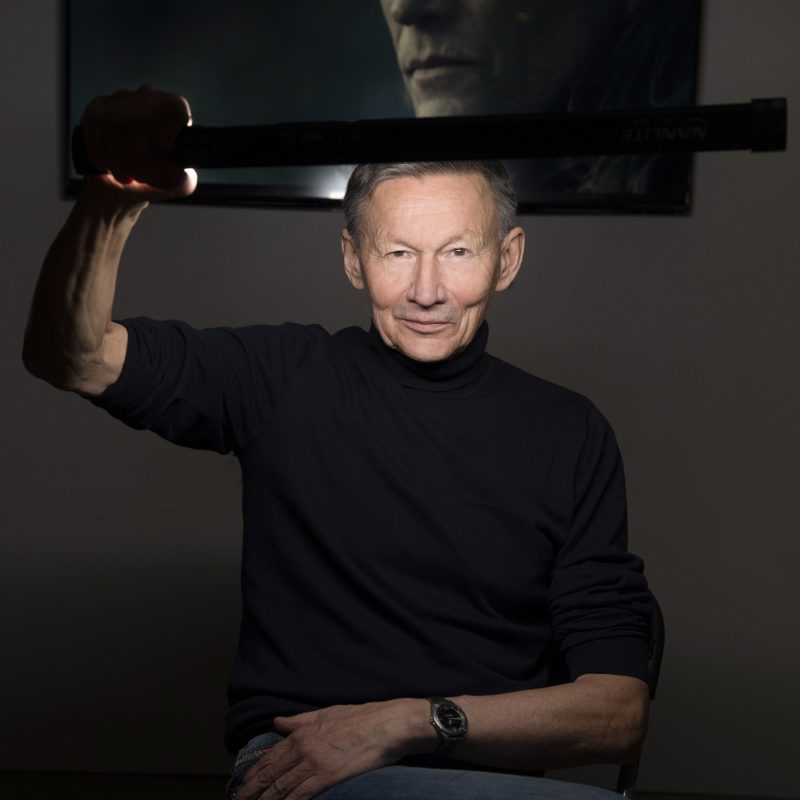
Jan Wejdmark, initiator:

”A new way point on our journey”

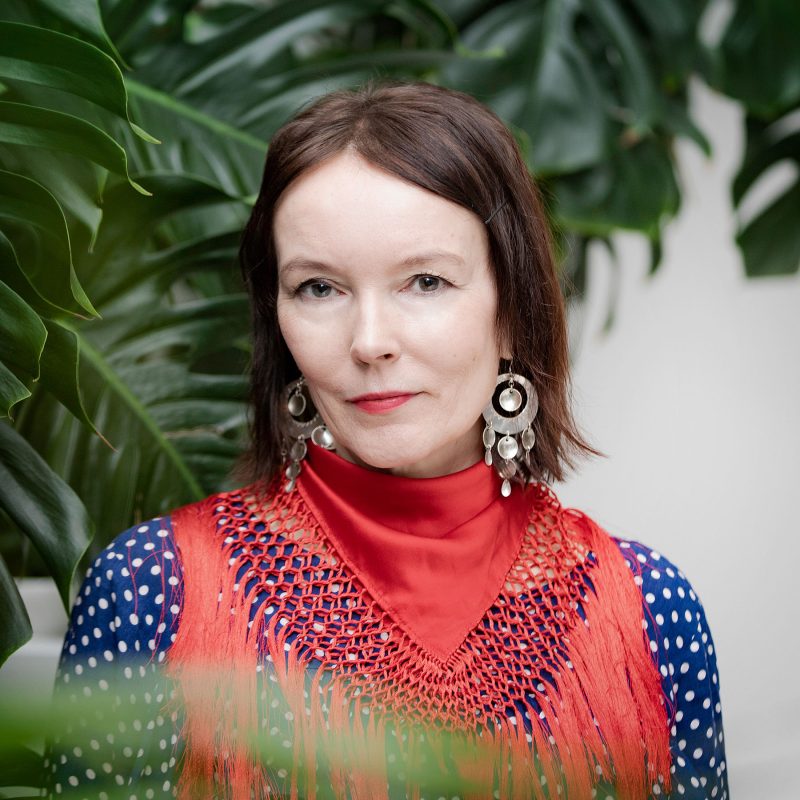
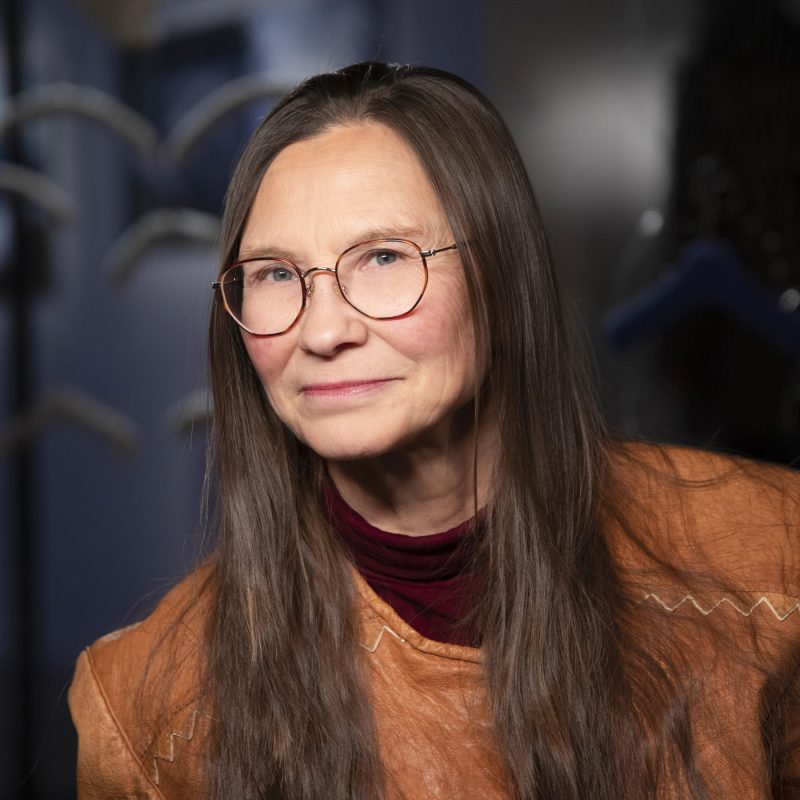
The curators:

”A borderless people”

Exhibition tour plan

House of Sweden, Washington DC (USA) Opening 4 March 2022

Yukon Arts Centre, Whitehorse (Canada) Opening in September 2022

Swedish American Museum, Chicago (USA) January 2023

Scandinavia House, New York (USA) 15 April - 22 July 2023

National Nordic Museum, Seattle (USA) 18 August - 26 November 2023

American Swedish Institute, Minneapolis (USA) 3 February - 26 May 2024

IAIA Museum of Contemporary Native Arts (MoCNA), Santa Fe (USA) 16 August 2024 - 2 March 2025

Saemien Sijte & Steinkjer Cultural Centre, (Norway) Opening 19 June 2025

Aejlies, Tärnaby (Sweden) 2025-2026

Sjungaregården, Granö (Sweden) 2026

Bodö (Norway) 2026 until January 2027

Meet the artists and explore their works on your computer, tablet or mobile phone:

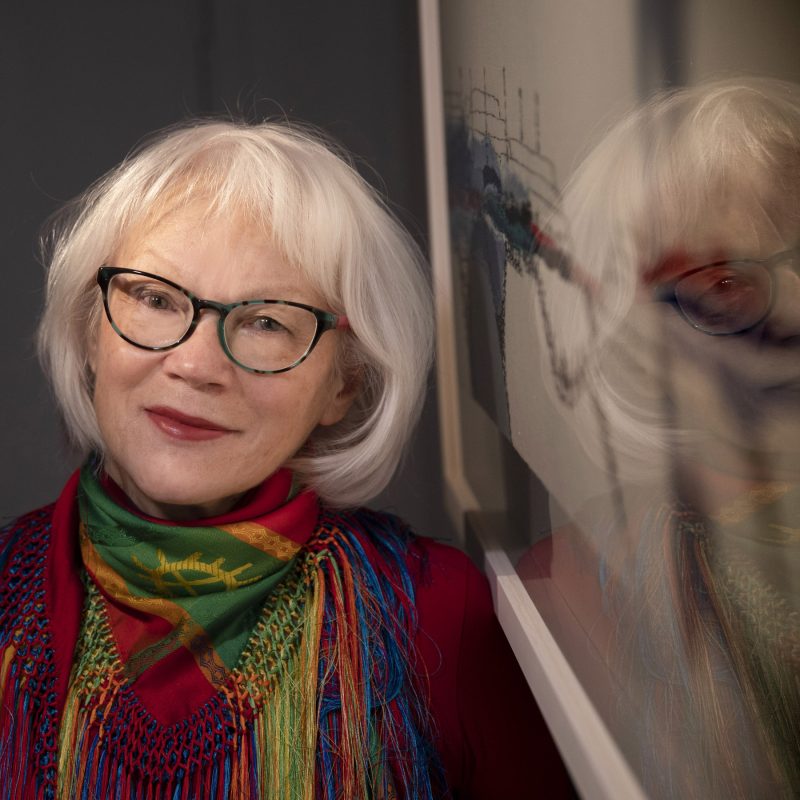
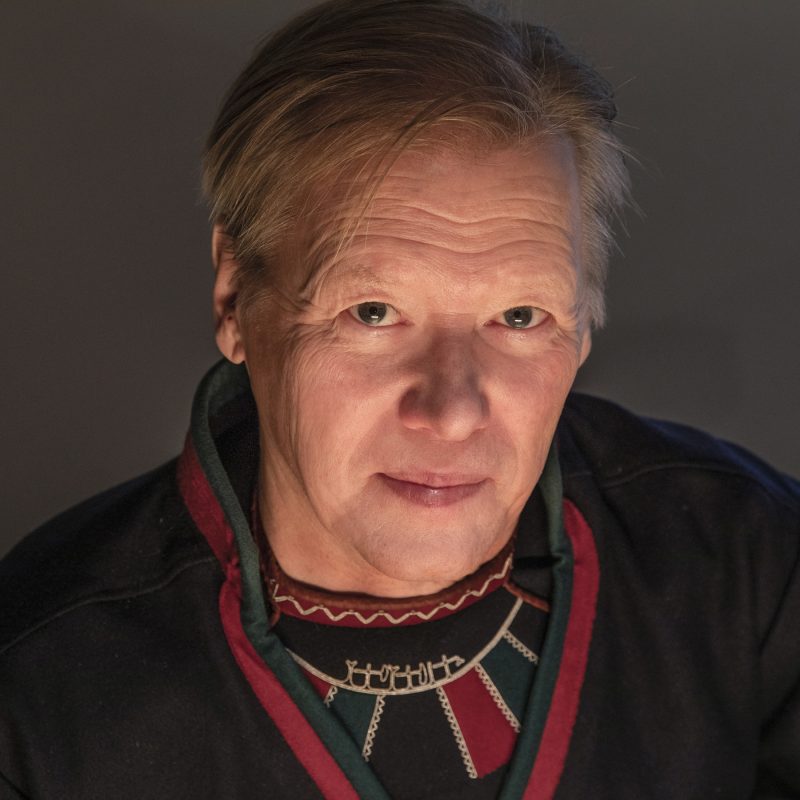
BLM_port_Elisabeth_Ohlson

Britta Marakatt-Labba

Photo by Kyra Kordoski

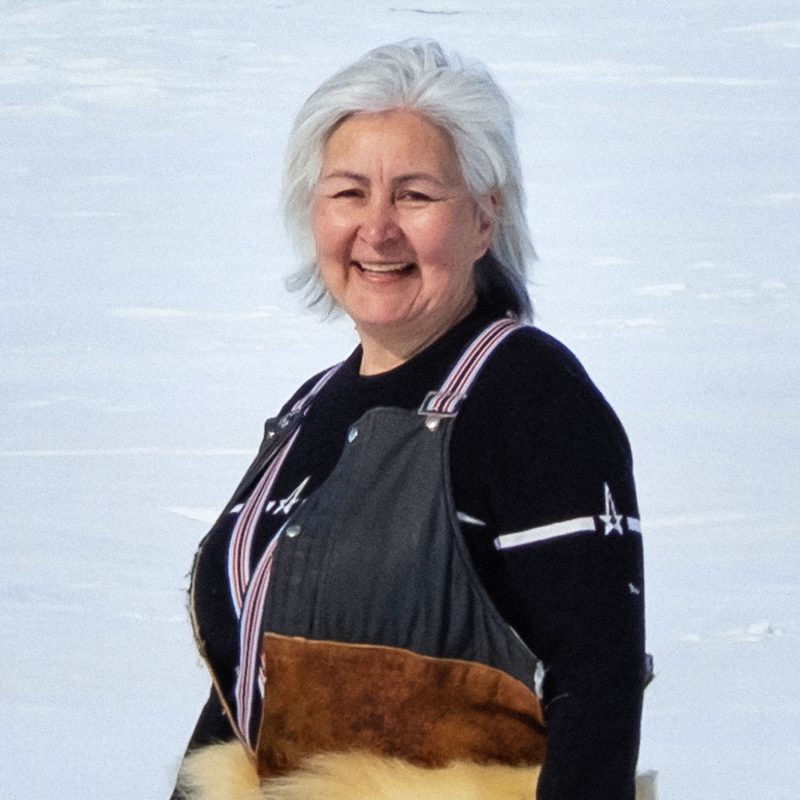
Maureen Gruben

Photo by Elisabeth Ohlson

Tomas Colbengtson

Photo by Marie Louise Somby / Árvu

Máret Ánne Sara

Photo courtesy of the artist

Olof Marsja

Photo by Carl Johan Utsi

Laila Susanna Kuhmunen

Photo courtesy of the artist

Sonya Kelliher-Combs

Photo by Elisabeth Ohlson

Dan Jåma

Photo by Riikka Vaahtera

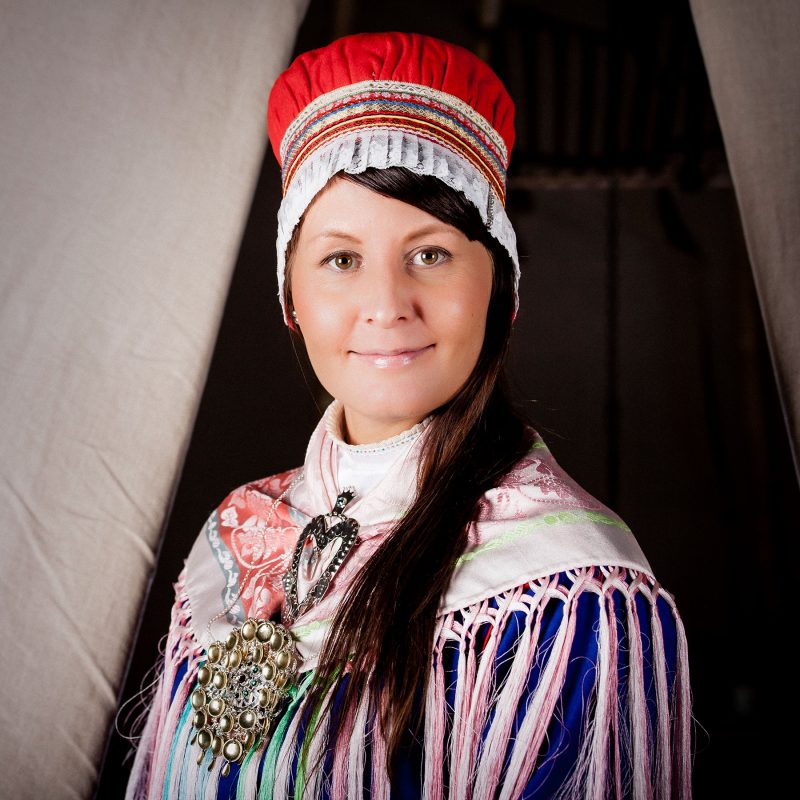
Marja Helander

Photo by Elisabeth Ohlson

Gunvor Guttorm

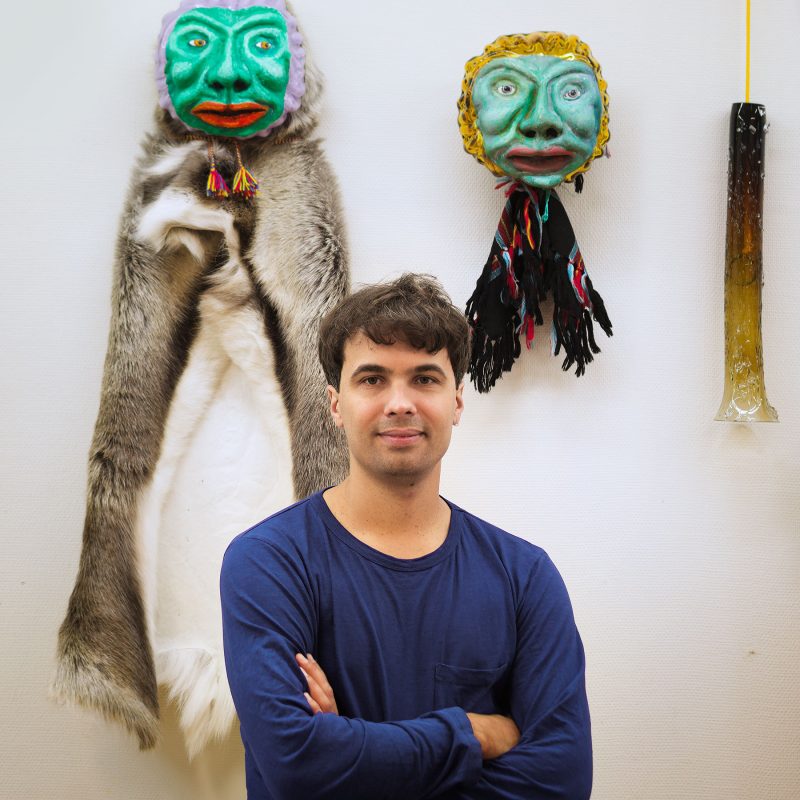
MA_port_Karoline_Trollvik

Matti Aikio

WE ARE INDIGENOUS PEOPLE, who live in different countries and on different continents, but yet regard ourselves as people with kindred spirits. The borders of nation states, arbitrarly drawn with regard to the landscape of our ancestors, have been used to group the Sámi people, and set us up to fight against our brothers and sisters living on the other side, fencing in and silencing our voices and knowledge.

IT TAKES ITS STARTING POINT in the pandemic that swept over the world during 2020 and 2021. How will its ramifications affect indigenous peoples? Can the knowledge of our ancestors, which we partially still have intact, become important and valuable in a changed global reality?